Vision and Hearing: The Underestimated Giants in Preventive Care
In the realm of preventive care, there are two vital aspects that often go unnoticed or underestimated – vision and hearing. While regular health check-ups typically focus on general physical well-being, the significance of maintaining good vision and hearing health cannot be overstated. This article delves into the importance of these senses, the impact of their impairment, and the essential steps to ensure their longevity.
The Significance of Vision Health
Our eyesight plays a crucial role in our daily lives, enabling us to navigate the world around us with ease and efficiency. However, many individuals tend to take their vision for granted until a problem arises. To truly appreciate the importance of vision health, consider the following:
-
Sense of Sight: Vision is our primary sense for perceiving the world. It allows us to recognize faces, read, drive, and enjoy various activities. Preserving our vision ensures that we can continue to engage in these activities and maintain a high quality of life.
-
Early Detection of Health Conditions: The eyes act as windows to our overall health, allowing medical professionals to identify potential underlying conditions early on. Eye examinations can help diagnose not only eye-related issues like cataracts and glaucoma but also systemic diseases such as diabetes, high blood pressure, and even certain types of cancers.
-
Independence: Clear vision is essential for maintaining independence as we age. It enables us to perform daily tasks without assistance, reducing the risk of accidents and falls.
Expanding on the significance of vision health, it is important to understand the impact that impaired vision can have on our lives. When our vision is compromised, it becomes challenging to carry out even the simplest tasks. Activities like reading, driving, and recognizing faces become difficult, affecting our overall quality of life. By preserving our vision, we ensure that we can continue to engage in these activities and maintain our independence.
Moreover, regular eye examinations play a crucial role in early detection of not just eye-related issues, but also underlying health conditions. Through a comprehensive eye exam, optometrists and ophthalmologists can identify signs of cataracts, glaucoma, and other eye diseases. However, it doesn’t stop there. The eyes can also provide valuable insights into our overall health. For instance, during an eye exam, medical professionals can detect signs of diabetes, high blood pressure, and certain types of cancers. By catching these conditions early, we have a better chance of managing and treating them effectively.
Maintaining good vision is especially important as we age. Clear vision allows us to perform daily tasks independently, reducing the risk of accidents and falls. The ability to navigate our environment confidently and without assistance contributes to our overall well-being and quality of life. Therefore, prioritizing vision health through regular check-ups and adopting healthy habits is crucial for preserving our independence and ensuring a fulfilling life.
The Impact of Hearing Impairment
Just like vision, our ability to hear is a fundamental sense that contributes significantly to our overall well-being. Often overlooked, hearing health is crucial for various reasons:
-
Communication: Hearing allows us to connect with others. Impaired hearing can hinder communication, leading to misunderstandings, social withdrawal, and even isolation. Maintaining good hearing ensures effective communication and fosters healthy relationships.
-
Cognitive Function: Studies have shown a correlation between hearing loss and cognitive decline. Untreated hearing loss may lead to a decline in cognitive abilities, including memory and concentration. By addressing hearing impairments early on, we can potentially reduce the risk of cognitive decline.
-
Mental Health: Hearing loss can have a significant impact on mental well-being. It has been linked to an increased risk of depression, anxiety, and even dementia. By prioritizing hearing health, we can protect our mental and emotional well-being.
Expanding on the impact of hearing impairment, it becomes evident that our ability to hear plays a vital role in our daily interactions and overall well-being. Effective communication is key to building and maintaining relationships, and impaired hearing can hinder this process. Difficulties in hearing and understanding others can lead to misunderstandings, social withdrawal, and even isolation. By maintaining good hearing, we ensure that we can actively engage in conversations and foster healthy relationships.
Furthermore, research has shown a connection between hearing loss and cognitive decline. Untreated hearing loss may contribute to a decline in cognitive abilities, including memory and concentration. By addressing hearing impairments early on and considering interventions such as hearing aids, we can potentially reduce the risk of cognitive decline and maintain optimal cognitive function.
In addition to cognitive function, hearing loss can also have a significant impact on mental well-being. Individuals with untreated hearing loss are at a higher risk of experiencing depression, anxiety, and even dementia. The feeling of being isolated and disconnected from the world due to hearing difficulties can take a toll on one’s mental and emotional health. Prioritizing hearing health and seeking appropriate interventions can help protect and preserve our mental well-being.
Steps to Ensure Vision and Hearing Health
Now that we understand the importance of vision and hearing in preventive care, let’s explore some essential steps to maintain and protect these vital senses:
Vision Health:
-
Regular Eye Examinations: Schedule routine eye exams with an optometrist or ophthalmologist to check for any potential vision problems. This includes assessing visual acuity, eye health, and screening for diseases. Early detection and timely treatment are key to preserving vision.
-
Protective Eyewear: When engaging in activities that pose a risk to our eyes, such as sports or working with hazardous materials, use appropriate protective eyewear. Safety glasses, goggles, or face shields can significantly reduce the risk of eye injuries.
-
Nutrition and Hydration: A well-balanced diet rich in nutrients like vitamins A, C, E, and omega-3 fatty acids plays a vital role in maintaining good vision. Stay hydrated to prevent dry eyes, which can lead to discomfort and vision problems.
Expanding on the steps to ensure vision health, regular eye examinations are essential in detecting any potential issues early on. By scheduling routine eye exams with optometrists or ophthalmologists, we can assess visual acuity, evaluate eye health, and screen for diseases. Early detection allows for timely treatment, which is crucial in preserving our vision and preventing further deterioration.
When engaging in activities that pose a risk to our eyes, it is important to use appropriate protective eyewear. Whether it’s playing sports or working with hazardous materials, safety glasses, goggles, or face shields can significantly reduce the risk of eye injuries. By taking these precautions, we safeguard our eyes and minimize the chances of accidents that could lead to vision problems.
In addition to regular eye exams and protective eyewear, maintaining a well-balanced diet is vital for good vision. Nutrients like vitamins A, C, and E, as well as omega-3 fatty acids, play a crucial role in supporting eye health. Consuming foods rich in these nutrients, such as leafy greens, citrus fruits, and fish, can contribute to maintaining optimal vision. Furthermore, staying hydrated is important to prevent dry eyes, which can cause discomfort and vision problems. By incorporating these dietary habits, we support our vision health and overall well-being.
Hearing Health:
-
Regular Hearing Evaluations: Get regular hearing evaluations from a qualified audiologist to monitor hearing health and identify any signs of hearing loss. Early intervention through hearing aids or other treatments can significantly improve outcomes.
-
Protective Measures: Protect your ears from excessive noise exposure by wearing earmuffs or earplugs in loud environments, such as concerts, construction sites, or when operating loud machinery. Limiting exposure to loud noises helps prevent noise-induced hearing loss.
-
Practice Good Ear Hygiene: Avoid using cotton swabs or other objects to clean your ears, as they can push earwax deeper into the ear canal or cause injury. Instead, gently clean the outer ear with a damp cloth.
Expanding on the steps to ensure hearing health, regular hearing evaluations are crucial in monitoring our hearing health and detecting any signs of hearing loss. By seeking evaluations from qualified audiologists, we can stay proactive and address any potential issues early on. Early intervention through the use of hearing aids or other treatments can significantly improve outcomes and enhance our overall hearing experience.
Protecting our ears from excessive noise exposure is another important aspect of hearing health. Whether it’s attending concerts, working in construction sites, or operating loud machinery, wearing earmuffs or earplugs can help minimize the risk of noise-induced hearing loss. By limiting our exposure to loud noises, we take proactive measures to safeguard our hearing and prevent long-term damage.
When it comes to ear hygiene, it is important to avoid using cotton swabs or other objects to clean our ears. These objects can push earwax deeper into the ear canal, leading to blockages or injury. Instead, gently cleaning the outer ear with a damp cloth is sufficient for maintaining good ear hygiene. By practicing safe ear hygiene habits, we reduce the risk of complications and promote optimal hearing health.
In conclusion, vision and hearing are often underestimated giants in preventive care. Understanding their significance and taking proactive steps to maintain and protect these senses can have a profound impact on our overall well-being. Regular check-ups, protective measures, and adopting healthy habits are crucial in ensuring optimal vision and hearing health. By giving due attention to these underestimated giants, we can enjoy a life filled with clarity, connection, and independence.
Note: The complete article is shown in markdown format.
FAQ
1. Why is vision health important?
Vision health is important because our eyesight is our primary sense for perceiving the world. It allows us to recognize faces, read, drive, and enjoy various activities. Preserving our vision ensures that we can continue to engage in these activities and maintain a high quality of life.
2. What are the benefits of regular eye examinations?
Regular eye examinations are beneficial because they allow medical professionals to identify potential underlying conditions early on. Eye examinations can help diagnose not only eye-related issues like cataracts and glaucoma but also systemic diseases such as diabetes, high blood pressure, and even certain types of cancers.
3. How does impaired vision affect our lives?
When our vision is compromised, it becomes challenging to carry out even the simplest tasks. Activities like reading, driving, and recognizing faces become difficult, affecting our overall quality of life. By preserving our vision, we ensure that we can continue to engage in these activities and maintain our independence.
4. What steps can be taken to ensure vision health?
To ensure vision health, it is important to schedule regular eye exams to check for potential vision problems. Using appropriate protective eyewear when engaging in activities that pose a risk to our eyes can significantly reduce the risk of eye injuries. Additionally, maintaining a well-balanced diet rich in nutrients and staying hydrated can contribute to good vision health.









 Wax build-up can be discouraging and keep you from hearing at your finest trying to eliminate an ear wax blockage on your own in your home can make the circumstance even worse. The microsuction ear wax removal network offers ear wax removal services in hinckley in one of our centers– baker street hinckley nw1, pinner north west hinckley ha5, enfield north hinckley en1, edgware north hinckley nw7, east finchley north hinckley nw2, golders green north hinckley nw11, ealing west hinckley w5, barnet north hinckley en5.
  Book an ear cleaning hinckley appointment online. Book an ear clinic hinckley appointment online. Book an ear wax micro suction appointment online. Book an ear wax removal appointment online. Book an ear wax treatment appointment online. Book an east finchley ear wax removal appointment online. Book an evening ear wax micro suction appointment today. Book an impacted ear wax removal appointment online. Book microsuction it’s much better than syringing. New book an appointment. 0800 1 337 987 hertford microsuction earwax removal clinic.
  Book an ear clinic hinckley appointment online. Book an ear wax micro suction appointment online. Book an ear wax removal appointment online. Book an ear wax treatment appointment online. Book an east finchley ear wax removal appointment online. Book an evening ear wax micro suction appointment today. Book an impacted ear wax removal appointment online. 0800 1 337 987 microsuction earwax removal clinic in enfield.
 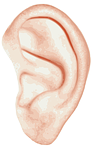 The microscope is utilized to straight visualise the ear wax whilst it is being removed using ent micro-instruments (e. G. Gentle suction with a low-pressure suction maker and fine sterile probe (microsuction)). Although the ear has a natural system for the removal of wax it is recognised that particular people do experience problems with build-up of excess wax that may require additional assistance. Aspects such as narrow, hairy or obstructed ear canals, hearing aid or earplug usage, as well as dusty/dirty professions all add to an accumulation of earwax and utilizing cotton buds just serves to push the debris back in further, frequently impacting the wax while doing so.
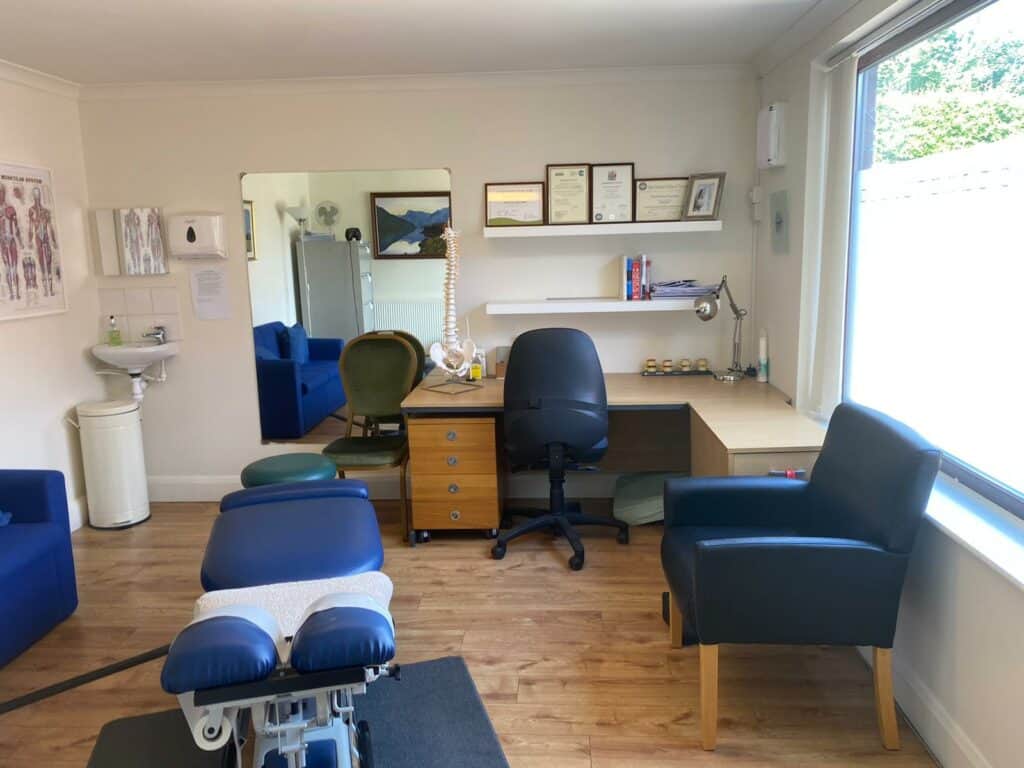 Wax build-up can be frustrating and keep you from hearing at your finest trying to eliminate an ear wax blockage by yourself in your house can make the circumstance even worse. The microsuction ear wax removal network offers ear wax removal services in hinckley in among our centers– baker street hinckley nw1, pinner north west hinckley ha5, enfield north hinckley en1, edgware north hinckley nw7, east finchley north hinckley nw2, golders green north hinckley nw11, ealing west hinckley w5, barnet north hinckley en5.
  Book a hertfordshire microsuction appointment online. Book a hinckley ear wax removal appointment online. Book a micro suction ear clinic appointment online. Book a microsuction ealing appointment online. Book a microsuction hinckley appointment online. Book a microsuction hinckley saturday appointment online. Book a microsuction north hinckley appointment online. Book a microsuction pinner appointment online. Book a microsuction volunteer in central hinckley appointment online. Book a microsuction volunteer in ealing appointment online. Book a private ear wax removal appointment online.


 The cost of a saturday earwax removal appointment will be ₤ 80 for one or two ears, which is still great value compared to other clinics in central hinckley. We decided to extend our microsuction earwax removal clinic to saturdays, as many people have enquired with us about weekend earwax removal appointments as they work monday to friday. This is because they are unable to go to an ear wax removal clinic throughout the week. The addition of a weekend ear wax removal clinic is a service that we are delighted to offer those who live or operate in hinckley.
 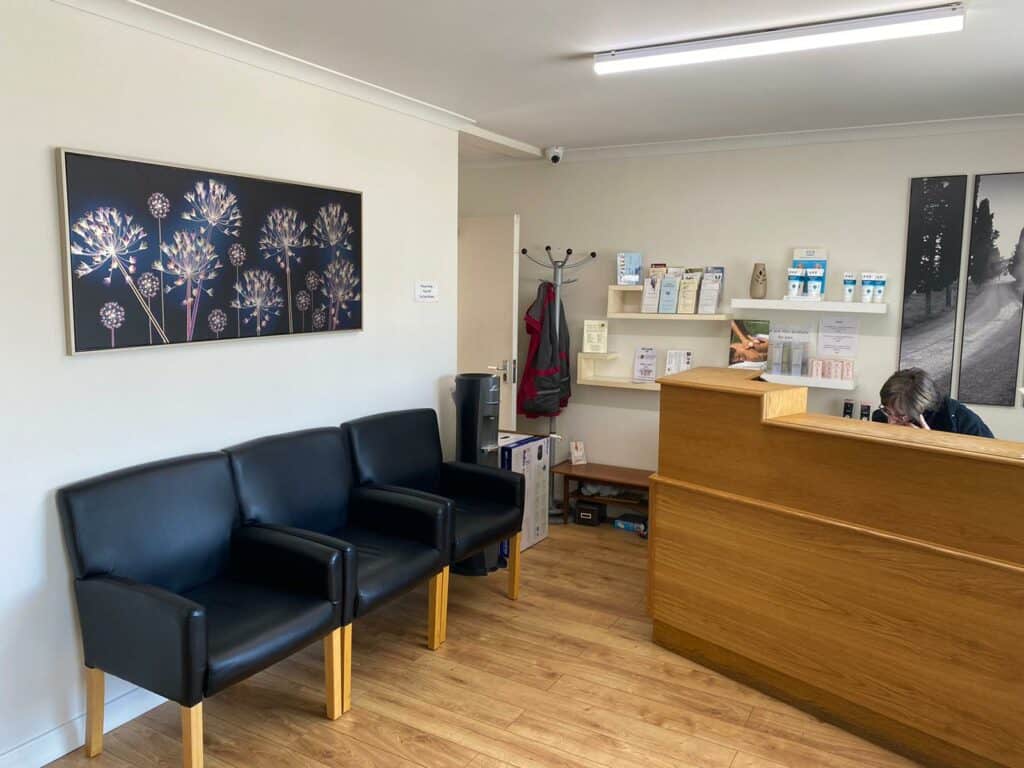 Wax accumulation can be frustrating and keep you from hearing at your finest attempting to eliminate an ear wax blockage by yourself in the house can make the scenario even worse. The microsuction ear wax removal network offers ear wax removal services in hinckley in among our centers– baker street hinckley nw1, pinner north west hinckley ha5, enfield north hinckley en1, edgware north hinckley nw7, east finchley north hinckley nw2, golders green north hinckley nw11, ealing west hinckley w5, barnet north hinckley en5.
  Had my earwax removed here. Would highly recommend, had a great experience and immediate relief of my symptoms afterwards. Lovely location and comfortable throughout. Would certainly return!. Renee smith. Jennifer the audiologist was very professional and made me feel at ease. She explained everything that would happen during the treatment and made the whole experience better than expected. She was a wonderful person and very caring. I would more than happy to recommend the service to anyone.
  When you clean your ears, you can unintentionally push the wax deeper, causing a blockage. Wax buildup is a common reason for momentary hearing loss. You must take great care when trying to treat earwax buildup at home. If the problem persists, visit your doctor. Treatment is generally fast and painless, and hearing can be fully brought back. Reasons for earwax buildup. Some people are prone to produce excessive earwax. Still, excess wax doesn’t automatically result in blockage.
  If you want to experience among the highest quality ear wax removal services available, you will find hearology’s hinckley bridge clinic on borough high street. The ear cleaning process we utilize is fast and painless. It is a few seconds walk from borough market and the hinckley bridge train and underground stations (use the borough high street exit). The location is likewise serviced by numerous bus paths. Contact us now for professional ear wax removal in hinckley!. Easy and convenient for anyone in central hinckley.
 When the ear wax is very tough, or if there is a foreign body in the ear canal, such as a cotton swab tip, or an ear plug which has actually become stuck, we might use instruments, which are specially developed for removing ear wax and other objects from the ear canal.
  Some clinics also offer home visits for an additional fee. There will be a video. Otoscopic evaluation before and after the procedure to show you the results.
  This can seriously damage the inside of the ear and the eardrum. Excellent “old-time” advice best abided by: never put anything in your ear smaller than your elbow!.
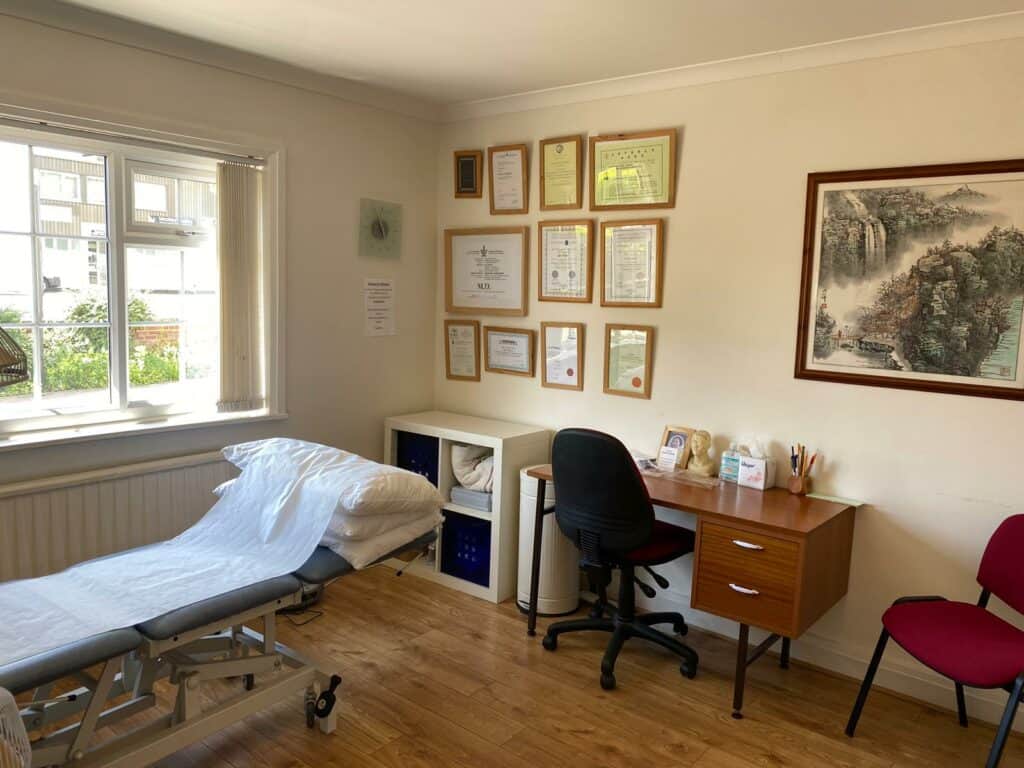
  The Microsuction Earwax Removal London clinic is in a very easily accessible location, and has been purpose built to provide a comfortable and modern environment for your ear wax removal procedure and audiology services. The london ear wax removal clinic offers you the opportunity to experience ear wax removal utilizing the most innovative microsuction equipment, in a fit-for-purpose clinical environment. This equipment consists of an ENT microscope to provide our clinicians with powerful illumination and crystal-clear, three-dimensional imaging. This enables the level of accuracy required to perform the safest, most effective, aural microsuction procedures.
  Private microsuction ear wax removal in central london. Central London: private microsuction ear wax removal in 30 locations. North London: microsuction earwax removal clinic in London. West London: private microsuction ear wax removal London. Book an east finchley ear wax removal appointment today!. Get a facebook ear wax removal appointment today!. Get a hertfordshire ear wax microsuction appointment today!. Get a london ear wax removal appointment today!. Get a micro suction ear clinic appointment today!.
 This can seriously damage the within the ear and the eardrum. Excellent “old-time” advice best adhered to: never put anything in your ear smaller than your elbow!.
  The Microsuction Ear Wax Removal London clinic is the foremost ear wax removal specialist in london. They offer micro suction ear wax removal and manual ear wax removal at their state of the art Baker Street centre. With excellent transportation routes close by, they are the city earwax clinic that is close to everybody. Hearology uses surgical microscopes so their ear wax removal specialists can work with outright accuracy. They also utilize specialist ent-grade suction equipment, which is far quieter and offers exceptional suction and suction control.