Last Updated on 16/04/2025 by Admin
Transformative Innovations Shaping the Future of Hearing Loss Technology
Recent technological advancements are revolutionizing the way we approach hearing loss. The remarkable evolution of hearing aids serves as a testament to our progress and a glimpse into the future. The next generation of hearing loss technology transcends mere amplification; it focuses on crafting a seamless auditory experience that integrates effortlessly into the daily lives of users across the globe, enhancing their overall quality of life.
Compact Design and Enhanced Comfort in Hearing Devices
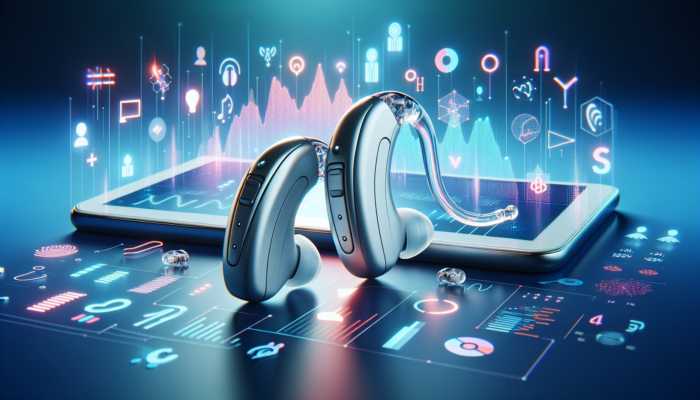
Visualize a scenario where hearing aids are as discreet and comfortable as modern wireless earbuds. The latest strides in miniaturization have yielded devices that are nearly invisible, significantly enhancing the user experience. Gone are the days when bulky devices deterred individuals from seeking assistance; today’s models are sleek, stylish, and ergonomically designed to contour perfectly to the ear, enhancing their appeal to a wider demographic, particularly younger users who may have previously avoided such technology.
The focus on comfort is paramount. When hearing aids feel lightweight and unobtrusive, users are more inclined to wear them consistently, leading to improved outcomes in hearing health. Manufacturers are utilizing advanced materials that not only boost comfort but also facilitate extended wear, enabling individuals to participate in social interactions without feeling self-conscious about their devices. This shift towards comfort and usability is essential for encouraging adherence to hearing loss treatment.
Moreover, comfort goes beyond just the physical fit of the device; it encompasses intuitive user interfaces that simplify operation. Many of the latest models incorporate touch controls and voice commands, allowing users to make adjustments without the hassle of buttons. As these innovations progress, we can expect even more customized options that cater to individual preferences, fundamentally transforming the experience for those who depend on hearing aids for everyday communication.
Revolutionary Digital Signal Processing Technologies
At the core of contemporary hearing aids lies cutting-edge digital signal processing (DSP) technology. This groundbreaking innovation enhances sound quality while significantly minimizing background noise, enabling users to focus on the sounds that matter most. In noisy environments, such as crowded streets or bustling restaurants, users can engage in clear conversations without the usual distractions that have historically accompanied hearing aids.
Advanced algorithms are now capable of real-time sound analysis, effectively distinguishing between various voice frequencies and ambient noise levels. This capability allows users to experience a highly tailored listening experience, making the future of hearing loss technology incredibly adaptable. For example, some devices automatically modify their settings based on the surrounding environment, ensuring optimal hearing conditions in any situation.
Furthermore, DSP technology is also advancing features like directional microphones that focus on sounds coming from a specific direction while reducing unwanted noise from other areas. This represents a monumental shift for individuals in professional settings or social gatherings where clarity is crucial. As these technologies continue to evolve, we can anticipate substantial advancements in sound comprehension, leading to more immersive and natural listening experiences.
Enhanced Connectivity and Integration with Smart Devices
The digital revolution has ushered in an era of unparalleled connectivity, and the future of hearing loss technology aligns perfectly with this trend. Modern hearing aids are now designed for seamless integration with smartphones and other smart devices, transforming user control and accessibility. Imagine adjusting your hearing aid settings directly from your smartphone or receiving notifications directly into your device—this is now a reality.
At the forefront of this connectivity evolution is Bluetooth technology, which enables users to stream music, phone calls, and other audio directly into their hearing aids. This significantly enhances the listening experience, making everyday activities such as phone conversations or enjoying music much more enjoyable. The convenience factor is substantial, as users can manage their hearing aids effortlessly through intuitive applications with just a few taps.
Moreover, this integration extends beyond audio streaming. Smart hearing aids can synchronize with health applications to monitor changes in hearing health over time, providing invaluable insights. This data can assist audiologists during consultations, ensuring users receive personalized care and necessary adjustments for their devices. In the future, anticipate even more innovative applications that blend hearing technology with broader aspects of personal health management.
Innovative Wearable Technologies for Hearing Assistance
The rise of wearable technology is not merely a trend; it represents a transformative movement that redefines how we manage and perceive hearing loss. The future of hearing loss technology increasingly emphasizes the integration of hearing assistance into everyday wearables, making these solutions discreet and accessible for everyone.
Integration of Hearing Assistance in Smart Glasses and Earbuds
The incorporation of hearing assistance into smart glasses and earbuds marks a groundbreaking advancement towards discreet solutions for hearing loss. This innovative technology utilizes the capabilities of existing devices to provide auditory support while users navigate their daily routines. Envision a pair of stylish smart glasses that not only enhance your vision but also enrich your hearing experience, facilitating effortless conversations.
Companies are actively developing earbuds equipped with advanced sound processing capabilities. These devices can automatically adjust to different environments, offering users the appropriate level of amplification and sound clarity needed for various settings. Whether attending a concert or sitting in a quiet café, these earbuds can intelligently adapt, enhancing the user’s auditory experience without drawing attention to their hearing assistance.
Additionally, the potential for cross-functionality is enormous. For instance, users could access real-time translation services through their earbuds, bridging language barriers in multicultural environments. This integration of hearing technology into everyday wearables not only enhances their appeal but fundamentally alters societal perceptions of hearing loss.
Innovative Bone Conduction Devices
Bone conduction technology presents an innovative solution for individuals experiencing specific types of hearing loss. By transmitting sound through vibrations in the bones of the skull, these devices bypass the outer and middle ear to directly stimulate the inner ear. This approach is particularly advantageous for those unable to use conventional hearing aids due to ear canal obstructions or chronic ear infections.
The design of bone conduction devices has evolved significantly, leading to sleek, comfortable wearables that can be utilized in numerous settings, from active lifestyles to social gatherings. Users can enjoy clear sound without the discomfort or stigma typically associated with traditional hearing aids. Additionally, many of these devices are waterproof, making them ideal for individuals engaged in active pursuits or water sports.
As ongoing research continues, we can anticipate further advancements that will enhance the effectiveness and accessibility of bone conduction technology, potentially offering solutions for a larger demographic. The future holds exciting possibilities for individuals with hearing challenges, enabling them to maintain active and engaged lifestyles free from the constraints of traditional hearing aids.
Advanced Health Monitoring Features
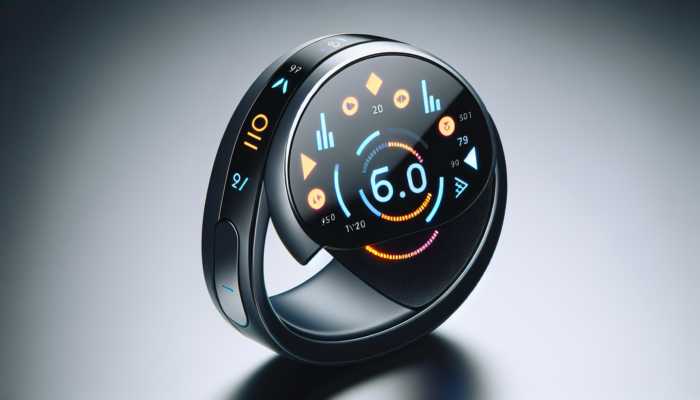
The incorporation of health monitoring features into wearable hearing devices represents a significant leap forward in personal health management. These innovative devices not only assist with hearing but also track auditory health, providing users with valuable insights into their hearing conditions. Imagine a device that alerts you to changes in your hearing ability or offers feedback on your ear health.
These wearables can monitor sound exposure levels, advising users to take precautionary measures in environments that may cause hearing damage. For instance, if a user is subjected to excessive noise levels, the device can suggest taking breaks or utilizing hearing protection. This proactive approach empowers users to take charge of their hearing health actively.
Moreover, as the data collected through these devices becomes increasingly sophisticated, it can be shared with healthcare professionals for ongoing monitoring and personalized adjustments. This development underscores the importance of holistic health management, where hearing health is seamlessly integrated into overall wellness, paving the way for healthier living globally.
Innovations in Cochlear Implants and Beyond
Cochlear implants have emerged as a groundbreaking solution for individuals suffering from severe hearing loss, and ongoing advancements promise to enhance their effectiveness even further. The future of hearing loss technology is incredibly bright, with exciting innovations in implant technology and research paving the way for enriched auditory experiences.
Next-Generation Cochlear Implants
Next-generation cochlear implants are revolutionizing auditory perception with enhanced electrode designs and sophisticated signal processing capabilities. The latest models are engineered to optimize sound clarity while minimizing distortion, delivering users a more natural listening experience. These advancements are particularly crucial for individuals reliant on cochlear implants as their primary means of hearing.
Research into electrode configuration has yielded designs that more accurately mimic the natural structure of the cochlea, enabling more precise stimulation of auditory nerves. This results in clearer sound differentiation, especially in complex listening environments, such as crowded rooms or outdoor settings. These improvements significantly enhance user experience, making cochlear implants a more attractive option for both children and adults.
Moreover, the future holds the promise of wireless connectivity and integration with smart devices, allowing users to control their cochlear implants via mobile applications. This level of personalization offers unprecedented flexibility and user empowerment, enabling individuals to tailor their auditory experiences to their specific preferences and environments.
Auditory Brainstem Implants as a Viable Alternative
While cochlear implants have transformed hearing for many, they are not suitable for everyone. For individuals with auditory nerve damage, auditory brainstem implants (ABIs) provide an alternative solution by bypassing damaged pathways. These implants directly stimulate the brainstem, delivering sound information to the auditory centers of the brain, which can restore some degree of hearing.
Ongoing research is focused on enhancing ABI technology, including refining surgical techniques and device designs to improve sound quality. As technology advances, we can expect more effective ABIs to offer better sound clarity and a richer listening experience for users. This innovation signifies a significant leap in assistive technology, offering hope to those who have not been able to benefit from conventional hearing aids or cochlear implants.
The potential benefits of ABIs extend beyond hearing recovery; they also hold promise for improving the overall quality of life. As individuals regain auditory function, they may experience increased social engagement, enhanced mental health, and improved overall well-being. This underscores the necessity for ongoing research and development in the field of auditory implants.
Exploring Research into Auditory Regeneration
The pursuit of regenerating damaged auditory nerves and hair cells represents a frontier in hearing technology research that could fundamentally transform the treatment landscape for hearing loss. Scientists are investigating various approaches, such as gene therapy and stem cell research, to discover solutions that could restore natural hearing capabilities.
Recent studies have demonstrated promising results in regenerating hair cells in animal models, indicating the potential for similar breakthroughs in humans. If successful, such advancements could lead to treatments that not only prevent hearing loss but also reverse it, offering hope to millions globally.
This research is not solely about restoring hearing; it’s about transforming lives. Imagine a world where individuals born with hearing loss can enjoy the same auditory experiences as their peers. The implications of such advancements extend beyond technology—they could foster greater inclusivity and understanding in society, dismantling barriers associated with hearing loss.
As we look ahead, ongoing research into regeneration signifies a paradigm shift in how we approach hearing challenges. The potential for breakthroughs in this arena is substantial, offering a hopeful vision for the future of hearing health.
Harnessing Artificial Intelligence in Hearing Solutions
Artificial intelligence (AI) is making significant strides across various sectors, and the realm of hearing technology is no exception. The future of hearing loss technology is increasingly characterized by AI applications that enhance user experience and accessibility in remarkable ways, signaling the dawn of a new era in auditory solutions.
Customizing Sound Profiles with AI Technology
AI-driven technology is transforming how hearing aids are calibrated to meet individual user needs. By analyzing user preferences and hearing profiles, AI algorithms can create personalized sound profiles that adapt in real-time to the user’s environment. This means that whether you’re in a quiet library or a lively café, your hearing aid can automatically adjust to provide optimal sound clarity and comfort.
This personalized approach extends to various listening situations. For example, if a user frequently attends concerts, the AI can learn to prioritize music frequencies, enriching the auditory experience without compromising clarity in other contexts. This adaptability is vital for enhancing the quality of life for individuals with hearing loss, allowing them to engage fully in diverse auditory environments.
Moreover, the integration of AI into hearing aids can significantly enhance user experience through continuous learning. The more a user interacts with their device, the better it understands their preferences. This creates a feedback loop where the technology evolves alongside the user’s needs, ensuring a tailored experience that feels intuitive and seamless.
Real-Time Language Translation Capabilities
In our increasingly interconnected world, cross-linguistic communication is essential. AI applications in the future of hearing loss technology are simplifying understanding different languages through real-time audio processing. Imagine attending a multilingual event and effortlessly following conversations in multiple languages without missing a moment.
These AI-driven translation features function by analyzing spoken language and converting it into real-time translations that are transmitted straight to the user’s hearing aid. This technology fosters inclusivity and enriches educational and cultural experiences for users from diverse backgrounds. For instance, students in international classrooms can fully engage, breaking down barriers that once hindered communication.
As this technology advances, we can expect even greater accuracy and fluency in translations, further enhancing the user experience. Such capabilities could be transformative for travelers and expatriates, enabling them to immerse themselves in new cultures and communities without the anxiety of language barriers.
Predictive Maintenance for Enhanced Device Reliability
In a world where technology can be unpredictable, AI is stepping up to provide predictive maintenance for hearing devices. This innovation is essential for ensuring that devices operate optimally and that users experience minimal disruptions in their daily lives.
AI-driven systems can continuously monitor the performance of hearing aids, predicting potential malfunctions before they occur. By analyzing data from sensors within the device, the system can alert users to issues such as battery life or software updates, allowing for proactive maintenance. This not only enhances user satisfaction but also minimizes the likelihood of device failure during critical moments.
Furthermore, predictive maintenance extends beyond mere alerts. It can streamline the user experience by automating routine maintenance tasks, such as cleaning schedules or adjustments based on usage patterns. This level of foresight empowers users to stay ahead of potential issues, ensuring that their hearing aids remain reliable companions in their auditory journey.
As AI technology continues to progress, the future promises even more sophisticated predictive capabilities, enabling users to focus on what truly matters—enjoying life to the fullest without the constant worry of device malfunctions.
Telehealth Innovations in Hearing Care
The emergence of telehealth has significantly altered the healthcare landscape, and hearing care is no exception. The future of hearing loss technology is intricately linked to the growth of remote support and virtual audiology services, making hearing healthcare more accessible than ever before.
Remote Audiology Services Breaking Barriers
Virtual audiology services are dismantling traditional barriers to hearing care. Users can now access remote assessments and consultations, ensuring that hearing health remains a priority regardless of geographical constraints. This is especially beneficial for individuals residing in remote areas or those facing mobility challenges.
Through telehealth platforms, audiologists can carry out comprehensive assessments using advanced technology, facilitating accurate diagnoses and effective treatment plans without necessitating in-person visits. The convenience of virtual consultations allows users to receive timely care, reducing the risk of their hearing loss deteriorating due to delays in treatment.
Furthermore, the implementation of remote audiology services encourages continuous engagement between healthcare providers and users. Regular follow-ups and check-ins can be conveniently scheduled, ensuring that individuals receive ongoing support throughout their hearing journey.
Online Hearing Aid Fitting for Streamlined Adjustments
Traditionally, fitting hearing aids required multiple in-person appointments, but telehealth is reshaping this process. Online hearing aid fitting has become a viable option, enabling users to adjust and fine-tune their devices from the comfort of their homes.
Utilizing remote fitting technologies, audiologists can guide users through the adjustment process via video calls. This not only saves time but also enhances the user experience by providing immediate feedback and support. Users can witness real-time adjustments to their devices and comprehend how different settings affect their hearing.
As technology continues to evolve, anticipate even more sophisticated online fitting processes that incorporate machine learning algorithms to refine settings based on user feedback. This level of personalization and convenience is revolutionizing how individuals manage their hearing loss, making it easier and more efficient than ever.
Ongoing Monitoring and Support via Telehealth
The future of hearing loss technology involves continuous monitoring of hearing health and device performance through telehealth solutions. Wearable technology can provide real-time data, enabling both users and healthcare providers to track changes in hearing ability over time.
This continuous monitoring facilitates early detection of potential issues, ensuring that users receive timely interventions. For instance, if a user’s hearing ability declines, their audiologist can swiftly recommend adjustments to their hearing aids or suggest additional interventions. This proactive approach is crucial for maintaining optimal hearing health.
Moreover, ongoing support through telehealth platforms allows users to connect with audiologists whenever necessary. Whether they have inquiries about device settings or require advice on managing their hearing loss, users can easily access expert guidance. This level of support fosters a sense of empowerment, encouraging individuals to take an active role in their hearing care.
Professional Training in Telehealth for Audiologists
As telehealth becomes a standard practice in hearing care, training programs for audiologists and healthcare providers are essential. These programs equip professionals with the skills necessary to effectively utilize telehealth tools and deliver high-quality care remotely.
Training emphasizes best practices for virtual consultations, remote assessments, and online fitting procedures. Audiologists learn to leverage technology to enhance patient engagement, ensuring that users feel supported even from a distance. This focus on telehealth training signifies a shift in how hearing care is delivered, fostering a more responsive and adaptable healthcare system.
As the telehealth model continues to gain traction, we can expect an increasing number of professionals trained in these methodologies, ensuring that users receive the best possible care regardless of their location.
Advancements in Accessibility and Inclusivity in Hearing Technology
Accessibility and inclusivity are central to the future of hearing loss technology. As advancements continue, it is vital to prioritize creating solutions that cater to a diverse range of users, ensuring that everyone has access to the tools necessary for thriving in their daily lives.
Affordable Hearing Solutions for All
The development of cost-effective hearing technologies is crucial for expanding access to hearing care. The high cost of traditional hearing aids has historically posed a barrier for many individuals, especially those in low-income communities or developing regions.
Innovative solutions are emerging to tackle this challenge, including subscription models and financing options that make hearing aids more affordable. Additionally, companies are prioritizing the creation of budget-friendly devices that do not compromise on quality or functionality. These affordable solutions empower a wider audience to seek assistance for their hearing loss, promoting inclusivity in hearing healthcare.
Moreover, public-private partnerships and initiatives are working to provide hearing aids to those in need, further enhancing accessibility. Community programs and outreach efforts aim to educate individuals about their options, ensuring that everyone can benefit from the technological advancements in hearing.
Principles of Inclusive Design in Hearing Technology
Inclusivity in design is essential for creating hearing technologies that address the diverse needs of users. The future of hearing loss technology is centered on developing devices that consider varying levels of hearing loss, cultural differences, and user preferences.
Companies are increasingly adopting inclusive design principles, involving users in the development phase to gain valuable insights into their experiences and challenges. This collaborative approach ensures that technologies are user-friendly and cater to a wide array of lifestyles.
Furthermore, the emphasis on aesthetic appeal is critical. Many users prefer devices that blend seamlessly with their personal style rather than drawing attention to their hearing loss. By prioritizing inclusive design, manufacturers can create devices that empower individuals to feel confident while receiving the support they need.
Raising Awareness through Public Campaigns
Educating the public about hearing health and the benefits of early intervention is vital for diminishing stigma and promoting awareness. Public campaigns can play a significant role in encouraging individuals to seek assistance for hearing loss, emphasizing that it is never too late to address auditory challenges.
These campaigns can take various forms, from social media initiatives to community workshops, fostering conversations about hearing health. By highlighting the importance of regular hearing check-ups and the latest advancements in hearing technology, awareness campaigns can shift public perception and encourage individuals to prioritize their auditory health.
Moreover, collaboration with healthcare professionals and organizations can amplify the reach and impact of these campaigns. By working together, stakeholders can create a comprehensive approach to promoting hearing health, ultimately benefiting individuals and communities worldwide.
Creating Environments that Support Better Hearing
Innovations in hearing technology extend beyond devices; they encompass environmental adaptations that enhance auditory experiences. The future of hearing loss technology involves crafting environments that foster better hearing for users across various settings.
Advanced Noise Reduction Technologies
Noise reduction technologies are vital for improving hearing in challenging environments. Innovations in sound engineering focus on minimizing background noise, allowing users to concentrate on conversations or important sounds without distractions.
These technologies utilize sophisticated algorithms to filter out unwanted sounds, ensuring that users can enjoy clear, crisp audio. For example, in crowded public spaces or on public transportation, noise-canceling features can create a more pleasant listening environment, significantly improving the overall user experience.
Additionally, manufacturers are exploring the integration of noise reduction technologies into everyday products, such as public announcement systems and communal spaces. By prioritizing sound quality in various environments, we can create more inclusive spaces for individuals with hearing loss.
Effective Sound Enhancement Systems
Sound enhancement systems are invaluable tools for improving hearing in public spaces like theaters, lecture halls, and places of worship. These systems amplify sound and deliver it directly to users, ensuring they can fully participate in communal activities.
Integrating these systems with personal hearing devices can further enhance the experience. For instance, users can connect their hearing aids directly to sound enhancement systems, receiving clear audio tailored to their hearing profiles. This level of accessibility transforms how individuals engage in social and cultural events, fostering inclusivity in public life.
As communities recognize the significance of sound enhancement technologies, we can anticipate greater adoption and investment in these systems, creating environments where everyone can enjoy auditory experiences without barriers.
Smart Home Integration for Enhanced Accessibility
The integration of hearing technologies with smart home systems represents a significant advancement in creating accessible living environments. Imagine a home where doorbells, alarms, and notifications are directly connected to your hearing aids, ensuring you never miss an important sound.
Smart home integration allows users to customize their auditory experiences, providing alerts for various sounds within the home environment. For instance, users can receive notifications when someone is at the door or when smoke alarms are triggered, enhancing both safety and peace of mind.
Furthermore, this technology promotes independence for individuals with hearing loss, allowing them to manage their environments more effectively. As smart home technologies continue to evolve, expect to see even more seamless integrations that improve daily living for those with hearing challenges.
Acoustic Design Principles in Architecture
The principles of acoustic design in architecture are becoming increasingly relevant in creating spaces that optimize sound quality for improved hearing experiences. From concert halls to community centers, thoughtful architectural design can significantly influence how sound is perceived.
Architects are now factoring in the acoustic properties of materials and layouts to ensure sound travels efficiently and clearly within spaces. This is particularly crucial for public venues where auditory experiences are essential—such as in theaters, where sound clarity is vital for enjoyment.
Moreover, incorporating acoustic design principles in residential spaces can create more supportive environments for individuals with hearing loss. By prioritizing sound quality in architectural planning, we can enhance overall living experiences for everyone, fostering greater inclusivity.
Tailored Hearing Solutions for Individual Needs
The customization of hearing devices based on individual needs and environmental conditions is a hallmark of the future of hearing loss technology. Personalized hearing solutions ensure that users receive tailored auditory experiences that align with their unique lifestyles.
Advancements in technology are enabling the development of more sophisticated devices that adapt to various acoustic environments. For instance, users can establish preferences based on different settings—whether at home, work, or in social situations—to ensure optimal hearing.
This level of personalization not only enhances user satisfaction but also empowers individuals to take charge of their auditory experiences. As technology continues to improve, anticipate even more innovative solutions that prioritize user preferences and adaptability, creating a truly personalized approach to hearing loss.
Future Directions in Research and Development
The landscape of hearing technology is in a constant state of evolution, propelled by ongoing research and development. The future of hearing loss technology will be shaped by groundbreaking studies and innovations that promise to enhance the quality of life for individuals facing hearing challenges.
Exploring Nanotechnology in Hearing Solutions
Nanotechnology is emerging as a promising frontier in the treatment of hearing loss. Researchers are investigating how nanoscale materials can improve hearing devices and even contribute to potential cures for hearing loss. This includes utilizing nanomaterials to enhance sound transmission or developing nanoscale sensors for improved auditory detection.
The potential applications of nanotechnology in hearing devices are vast. For example, nanoscale sensors could provide real-time data on hearing health, enabling more precise adjustments and monitoring. This level of detail could lead to significant improvements in hearing aid functionality, making them more effective and responsive to user needs.
As research in this area progresses, we may witness revolutionary advancements that redefine our understanding of hearing loss and its treatment, offering hope to those affected by auditory challenges.
Genetic Therapies as a Groundbreaking Approach
The exploration of genetic therapies represents a groundbreaking approach to preventing and potentially reversing hearing loss. Research into gene editing technologies, such as CRISPR, is paving the way for treatments that target the genetic factors contributing to hearing loss.
Studies have shown promise in restoring hearing by repairing or replacing damaged genes associated with auditory function. If successful, these therapies could revolutionize how we address hearing loss, providing a proactive rather than reactive approach.
Furthermore, as our understanding of the genetics behind hearing loss expands, we can anticipate more targeted treatments that consider individual genetic profiles. This level of personalization in treatment could lead to more effective interventions, fundamentally changing the landscape of hearing care.
Innovative Approaches to Sound Therapy
Innovative sound therapy approaches are gaining traction as complementary treatments for hearing loss. These therapies focus on retraining the brain’s auditory processing abilities, helping individuals adapt to their hearing loss more effectively.
Techniques such as sound enrichment and auditory training are being integrated into hearing rehabilitation programs, enhancing the overall efficacy of traditional treatments. By combining sound therapy with technological advancements in hearing aids, users can achieve a more holistic approach to managing their hearing challenges.
As research continues to reveal the complexities of auditory processing, expect to see more refined sound therapy approaches tailored to individual needs. This progressive integration of sound therapy into hearing loss management signifies a promising future for auditory health.
Collaboration Across Disciplines for Innovation
The future of hearing technology will increasingly depend on collaboration across various disciplines. By uniting experts from fields such as audiology, engineering, neuroscience, and design, we can foster innovation that leads to more effective solutions for hearing loss.
These interdisciplinary collaborations can yield breakthroughs that address the multifaceted nature of hearing loss. For instance, engineers can partner with audiologists to develop devices that integrate seamlessly with the human auditory system, ensuring optimal performance and user experience.
Moreover, involving users in the design and testing phases is crucial for ensuring that solutions meet real-world needs. By prioritizing collaboration and inclusivity, we can create a more effective and comprehensive approach to hearing technology, benefiting individuals and communities worldwide.
Looking Ahead: The Bright Future of Hearing Loss Technology
The future of hearing loss technology is undeniably promising, with numerous advancements on the horizon. As we embrace innovation and collaboration, we can anticipate a world where individuals with hearing challenges have access to the best possible solutions. By emphasizing accessibility, inclusivity, and cutting-edge technology, we can empower individuals to lead fulfilling lives, dismantling the barriers associated with hearing loss.
Frequently Asked Questions
What are the latest advancements in hearing aid technology?
Recent advancements encompass miniaturization for enhanced comfort, improved digital signal processing for superior sound quality, and seamless connectivity with various devices, making hearing aids more user-friendly and effective.
How do bone conduction devices function?
Bone conduction devices transmit sound via vibrations in the skull bones, bypassing the outer and middle ear, making them suitable for individuals with certain types of hearing loss.
What role does artificial intelligence play in hearing technology?
AI enhances hearing technology by personalizing sound profiles, enabling real-time language translation, and facilitating predictive maintenance to improve device reliability.
What is the future outlook for cochlear implants?
Next-generation cochlear implants are being developed with advanced electrode designs and signal processing capabilities, enhancing sound clarity and overall user experience.
How is telehealth transforming hearing care?
Telehealth provides remote access to audiology services, enabling virtual assessments, online hearing aid fittings, and continuous monitoring of hearing health.
Why is accessibility crucial in hearing loss technology?
Accessibility ensures that individuals from diverse backgrounds can access hearing solutions, promoting inclusivity and enhancing the quality of life for those with hearing challenges.
What environmental adaptations support better hearing?
Innovations such as noise reduction technologies, sound enhancement systems, and smart home integrations are being developed to create more supportive acoustic environments for individuals with hearing loss.
How can sound therapy assist with hearing loss?
Sound therapy can help retrain the brain’s auditory processing abilities, aiding individuals in adapting to their hearing loss while complementing traditional treatments.
What is the significance of public awareness campaigns?
Public awareness campaigns educate individuals about hearing health, encouraging early intervention and reducing stigma associated with hearing loss.
How does research into nanotechnology affect hearing technology?
Nanotechnology has the potential to develop advanced hearing devices, improve sound transmission, and potentially lead to cures for hearing loss through innovative treatments.
The post Hearing Loss Tech: Innovations Shaping the Future appeared first on The Microsuction Ear Wax Removal Network.