Unlocking the Mystery: How Colonoscopies Can Save Lives from Colorectal Cancer
Colonoscopy is a vital medical procedure that plays a significant role in the early detection and prevention of colorectal cancer, a disease that affects thousands of people worldwide. By examining the inner lining of the colon and rectum, a colonoscopy can identify abnormal growths or polyps, allowing for their removal before they develop into cancerous tumors. In this article, we will delve into the importance of colonoscopies, their procedure, and the potential life-saving benefits they offer.
Understanding Colorectal Cancer
Colorectal cancer is the third most commonly diagnosed cancer worldwide, with a significant impact on public health. It typically originates from precancerous growths called polyps, which can develop in the inner lining of the colon or rectum. Over time, these polyps can turn cancerous if left undetected and untreated. Therefore, early detection and removal of these polyps can significantly reduce the risk of developing colorectal cancer.
Colorectal cancer is a complex disease that arises from genetic and environmental factors. Understanding the risk factors associated with colorectal cancer can help individuals take proactive steps towards prevention. Some risk factors include:
-
Age: The risk of developing colorectal cancer increases with age, with the majority of cases occurring in individuals over 50 years old. This is why regular screenings, such as colonoscopies, are recommended for individuals starting at the age of 45.
-
Family History: Individuals with a family history of colorectal cancer or certain genetic conditions, such as Lynch syndrome or familial adenomatous polyposis (FAP), have an increased risk of developing the disease. These individuals may need to undergo more frequent screenings or start screening at an earlier age.
-
Lifestyle Factors: Unhealthy lifestyle choices, such as a diet high in red and processed meats, low physical activity levels, obesity, smoking, and excessive alcohol consumption, can increase the risk of colorectal cancer. Making positive changes to these lifestyle factors can help reduce the risk.
-
Inflammatory Bowel Disease (IBD): Chronic conditions like ulcerative colitis and Crohn’s disease, which cause inflammation in the colon, can increase the risk of developing colorectal cancer. Regular screenings are especially important for individuals with IBD.
The Power of Colonoscopies
A colonoscopy is a minimally invasive procedure that enables a thorough examination of the colon and rectum using a long, flexible tube known as a colonoscope. This slender instrument is equipped with a light source and a camera, allowing the physician to visualize the entire length of the colon. During the examination, any abnormal growths or polyps can be identified and removed, a process known as polypectomy.
Benefits of Colonoscopies
-
Early Detection: Colonoscopies are highly effective in detecting colorectal cancer at an early stage, often before symptoms arise. This early detection significantly improves the chances of successful treatment and long-term survival. Studies have shown that individuals who undergo regular colonoscopies have a lower risk of dying from colorectal cancer.
-
Prevention: By identifying and removing polyps during the colonoscopy, the procedure helps prevent the development of colorectal cancer. Research has found that the removal of precancerous polyps during colonoscopy reduces the incidence of colorectal cancer by up to 80%. Regular screenings can significantly reduce the risk of cancer progression and potential complications.
-
Accuracy: Colonoscopies offer a high level of accuracy in diagnosing and staging colorectal cancer. This precision helps physicians develop appropriate treatment plans tailored to each patient’s individual needs. The ability to visualize the entire colon and rectum during a colonoscopy allows for a comprehensive assessment of the disease, ensuring accurate diagnosis and effective treatment.
-
Comprehensive Examination: Unlike other screening methods, such as fecal occult blood tests or sigmoidoscopies, colonoscopies provide a comprehensive evaluation of the entire colon and rectum. This thorough examination ensures the detection of any abnormalities throughout the entire length of the large intestine. Other screening methods may only evaluate a portion of the colon, potentially missing polyps or cancerous lesions.
The Colonoscopy Procedure
-
Preparation: Before undergoing a colonoscopy, patients must follow specific instructions provided by their healthcare provider. This typically involves a clear liquid diet for a day or two before the procedure and taking laxatives to cleanse the colon fully. The preparation is essential to ensure a clear view of the colon during the procedure.
-
Administration of Sedation: To ensure patient comfort during the procedure, sedation or anesthesia is usually administered. This helps alleviate any potential discomfort or anxiety that may arise. The level of sedation can be adjusted based on the patient’s preferences and the complexity of the procedure.
-
Insertion of the Colonoscope: The colonoscope is gently inserted into the rectum and gradually advanced through the colon. The camera at the tip of the scope transmits images to a monitor, allowing the doctor to carefully examine the colon’s inner lining. The colonoscope is flexible, allowing it to navigate the twists and turns of the colon without causing significant discomfort.
-
Detection and Removal of Polyps: During the examination, any polyps or abnormal growths are identified and removed using specialized instruments passed through the colonoscope. This process, known as polypectomy, is generally painless and minimally invasive. The removed tissue is sent to a laboratory for further analysis to determine if it is benign or cancerous.
-
Recovery and Aftercare: After the procedure, patients are monitored to ensure their vital signs stabilize. They may experience some bloating or gas initially, but these symptoms typically subside quickly. It is essential to follow any post-procedure instructions provided by the healthcare provider to ensure a smooth recovery. These instructions may include dietary restrictions, medication guidelines, and recommendations for resuming normal activities.
The Importance of Regular Screening
Regular colonoscopies are crucial in the early detection and prevention of colorectal cancer. The American Cancer Society recommends that individuals with an average risk of developing colorectal cancer start screening at the age of 45. However, individuals with a family history of colorectal cancer or other risk factors may need to begin screening at an earlier age or undergo more frequent screenings.
The recommended frequency of colonoscopies depends on individual risk factors and previous findings. In general, colonoscopies are performed every ten years for individuals with a normal risk profile. However, those with a higher risk may require more frequent screenings. Your healthcare provider will determine the appropriate screening schedule based on individual circumstances.
Regular screening not only detects colorectal cancer at an early stage but also helps identify and remove precancerous polyps before they become cancerous. This proactive approach significantly reduces the risk of developing colorectal cancer and improves treatment outcomes if cancer is found. It is essential to prioritize regular screenings and follow the recommended guidelines to protect your health.
Overcoming Barriers to Screening
Despite the proven benefits of colonoscopies, many people still hesitate to undergo this potentially life-saving procedure. Common barriers to screening include fear, discomfort, and misconceptions about the procedure. It is essential to address these concerns and educate individuals about the potential risks of avoiding colorectal cancer screening.
To overcome these barriers, healthcare organizations and providers are implementing various strategies:
-
Public Awareness Campaigns: Educational campaigns are designed to raise awareness about the importance of colonoscopies and debunk common myths surrounding the procedure. These campaigns aim to inform the public about the potential life-saving benefits and encourage individuals to overcome their fears and misconceptions.
-
Patient Education Programs: Healthcare providers offer educational programs to inform patients about the procedure, its purpose, and the importance of regular screenings. These programs address common concerns and provide accurate information to help patients make informed decisions.
-
Improved Insurance Coverage: Efforts are being made to improve insurance coverage for colorectal cancer screenings, including colonoscopies. This helps remove financial barriers and ensures that individuals have access to this vital preventive service.
By addressing these barriers and increasing accessibility to colonoscopies, more individuals can benefit from the potential life-saving effects of regular screenings. Early detection and prevention are key to reducing the burden of colorectal cancer and improving outcomes for patients.
Conclusion
Colonoscopies are a vital tool in the fight against colorectal cancer, enabling early detection, prevention, and improved treatment outcomes. By undergoing regular screenings and following the recommendations of healthcare professionals, individuals can take proactive steps to safeguard their health and potentially save lives. Understanding the importance of colonoscopies and overcoming barriers to screening are key in unlocking the mystery and ensuring a brighter future for all.
Frequently Asked Questions (FAQ)
Q: What is colorectal cancer?
A: Colorectal cancer is a type of cancer that develops in the colon or rectum. It typically starts from precancerous growths called polyps and can become cancerous if left untreated.
Q: What are the risk factors for colorectal cancer?
A: Some risk factors for colorectal cancer include age (risk increases with age), family history of the disease, unhealthy lifestyle choices (such as poor diet and lack of physical activity), and chronic inflammatory bowel diseases.
Q: What are the benefits of colonoscopies?
A: Colonoscopies offer early detection of colorectal cancer, prevention by removing polyps, high accuracy in diagnosis and staging, and a comprehensive evaluation of the entire colon and rectum.
Q: What is the procedure for a colonoscopy?
A: The procedure involves preparation, administration of sedation, insertion of a colonoscope into the rectum, detection and removal of polyps, and post-procedure recovery and aftercare. Regular screening is important for early detection and prevention of colorectal cancer.









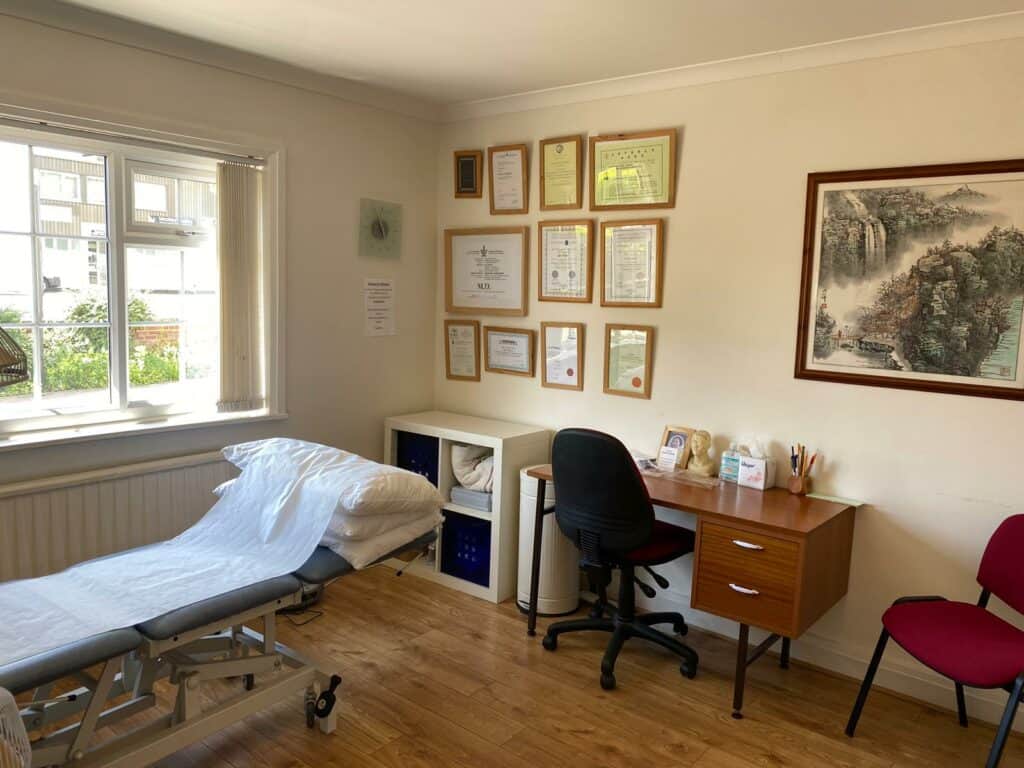 Wax build-up can be discouraging and keep you from hearing at your finest trying to eliminate an ear wax blockage on your own in your home can make the circumstance even worse. The microsuction ear wax removal network offers ear wax removal services in hinckley in one of our centers– baker street hinckley nw1, pinner north west hinckley ha5, enfield north hinckley en1, edgware north hinckley nw7, east finchley north hinckley nw2, golders green north hinckley nw11, ealing west hinckley w5, barnet north hinckley en5.
  Book an ear cleaning hinckley appointment online. Book an ear clinic hinckley appointment online. Book an ear wax micro suction appointment online. Book an ear wax removal appointment online. Book an ear wax treatment appointment online. Book an east finchley ear wax removal appointment online. Book an evening ear wax micro suction appointment today. Book an impacted ear wax removal appointment online. Book microsuction it’s much better than syringing. New book an appointment. 0800 1 337 987 hertford microsuction earwax removal clinic.
  Book an ear clinic hinckley appointment online. Book an ear wax micro suction appointment online. Book an ear wax removal appointment online. Book an ear wax treatment appointment online. Book an east finchley ear wax removal appointment online. Book an evening ear wax micro suction appointment today. Book an impacted ear wax removal appointment online. 0800 1 337 987 microsuction earwax removal clinic in enfield.
 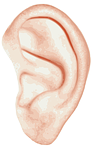 The microscope is utilized to straight visualise the ear wax whilst it is being removed using ent micro-instruments (e. G. Gentle suction with a low-pressure suction maker and fine sterile probe (microsuction)). Although the ear has a natural system for the removal of wax it is recognised that particular people do experience problems with build-up of excess wax that may require additional assistance. Aspects such as narrow, hairy or obstructed ear canals, hearing aid or earplug usage, as well as dusty/dirty professions all add to an accumulation of earwax and utilizing cotton buds just serves to push the debris back in further, frequently impacting the wax while doing so.
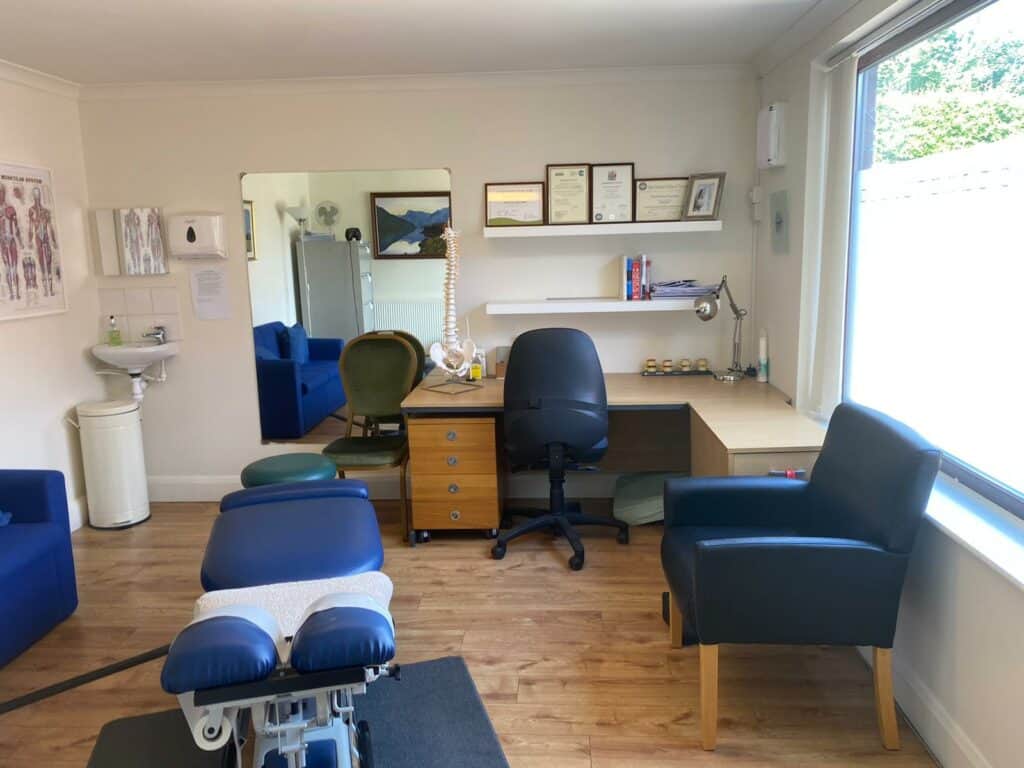 Wax build-up can be frustrating and keep you from hearing at your finest trying to eliminate an ear wax blockage by yourself in your house can make the circumstance even worse. The microsuction ear wax removal network offers ear wax removal services in hinckley in among our centers– baker street hinckley nw1, pinner north west hinckley ha5, enfield north hinckley en1, edgware north hinckley nw7, east finchley north hinckley nw2, golders green north hinckley nw11, ealing west hinckley w5, barnet north hinckley en5.
  Book a hertfordshire microsuction appointment online. Book a hinckley ear wax removal appointment online. Book a micro suction ear clinic appointment online. Book a microsuction ealing appointment online. Book a microsuction hinckley appointment online. Book a microsuction hinckley saturday appointment online. Book a microsuction north hinckley appointment online. Book a microsuction pinner appointment online. Book a microsuction volunteer in central hinckley appointment online. Book a microsuction volunteer in ealing appointment online. Book a private ear wax removal appointment online.


 The cost of a saturday earwax removal appointment will be ₤ 80 for one or two ears, which is still great value compared to other clinics in central hinckley. We decided to extend our microsuction earwax removal clinic to saturdays, as many people have enquired with us about weekend earwax removal appointments as they work monday to friday. This is because they are unable to go to an ear wax removal clinic throughout the week. The addition of a weekend ear wax removal clinic is a service that we are delighted to offer those who live or operate in hinckley.
 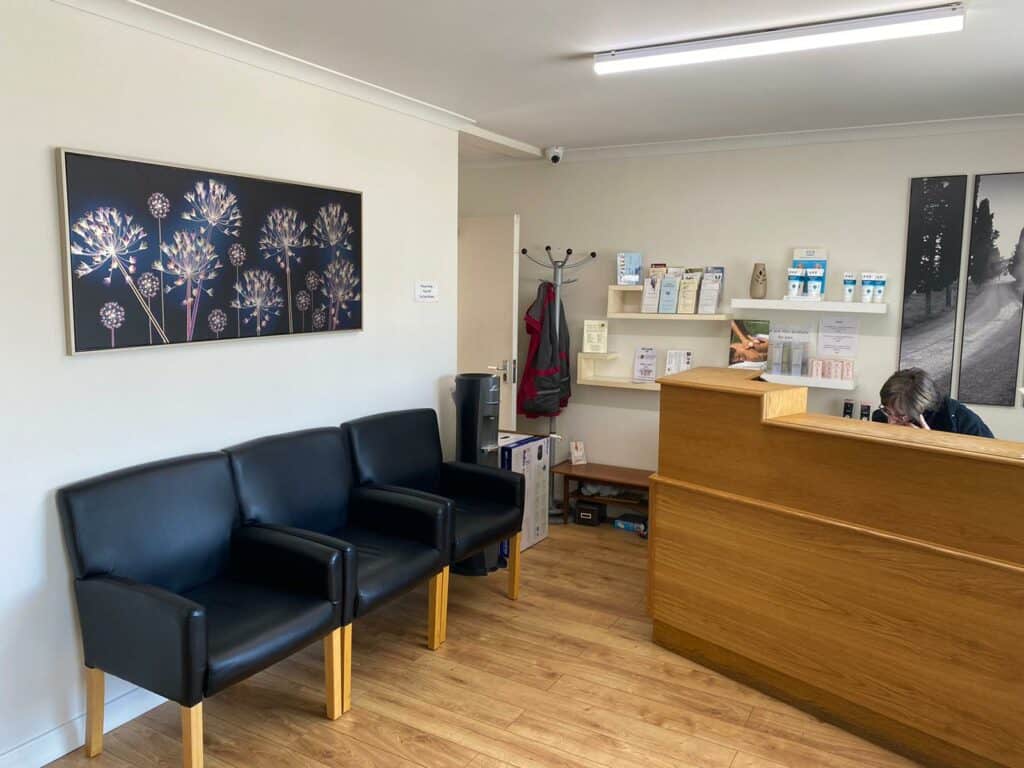 Wax accumulation can be frustrating and keep you from hearing at your finest attempting to eliminate an ear wax blockage by yourself in the house can make the scenario even worse. The microsuction ear wax removal network offers ear wax removal services in hinckley in among our centers– baker street hinckley nw1, pinner north west hinckley ha5, enfield north hinckley en1, edgware north hinckley nw7, east finchley north hinckley nw2, golders green north hinckley nw11, ealing west hinckley w5, barnet north hinckley en5.
  Had my earwax removed here. Would highly recommend, had a great experience and immediate relief of my symptoms afterwards. Lovely location and comfortable throughout. Would certainly return!. Renee smith. Jennifer the audiologist was very professional and made me feel at ease. She explained everything that would happen during the treatment and made the whole experience better than expected. She was a wonderful person and very caring. I would more than happy to recommend the service to anyone.
  When you clean your ears, you can unintentionally push the wax deeper, causing a blockage. Wax buildup is a common reason for momentary hearing loss. You must take great care when trying to treat earwax buildup at home. If the problem persists, visit your doctor. Treatment is generally fast and painless, and hearing can be fully brought back. Reasons for earwax buildup. Some people are prone to produce excessive earwax. Still, excess wax doesn’t automatically result in blockage.
  If you want to experience among the highest quality ear wax removal services available, you will find hearology’s hinckley bridge clinic on borough high street. The ear cleaning process we utilize is fast and painless. It is a few seconds walk from borough market and the hinckley bridge train and underground stations (use the borough high street exit). The location is likewise serviced by numerous bus paths. Contact us now for professional ear wax removal in hinckley!. Easy and convenient for anyone in central hinckley.
 When the ear wax is very tough, or if there is a foreign body in the ear canal, such as a cotton swab tip, or an ear plug which has actually become stuck, we might use instruments, which are specially developed for removing ear wax and other objects from the ear canal.
  Some clinics also offer home visits for an additional fee. There will be a video. Otoscopic evaluation before and after the procedure to show you the results.
  This can seriously damage the inside of the ear and the eardrum. Excellent “old-time” advice best abided by: never put anything in your ear smaller than your elbow!.
  The Microsuction Earwax Removal London clinic is in a very easily accessible location, and has been purpose built to provide a comfortable and modern environment for your ear wax removal procedure and audiology services. The london ear wax removal clinic offers you the opportunity to experience ear wax removal utilizing the most innovative microsuction equipment, in a fit-for-purpose clinical environment. This equipment consists of an ENT microscope to provide our clinicians with powerful illumination and crystal-clear, three-dimensional imaging. This enables the level of accuracy required to perform the safest, most effective, aural microsuction procedures.
  Private microsuction ear wax removal in central london. Central London: private microsuction ear wax removal in 30 locations. North London: microsuction earwax removal clinic in London. West London: private microsuction ear wax removal London. Book an east finchley ear wax removal appointment today!. Get a facebook ear wax removal appointment today!. Get a hertfordshire ear wax microsuction appointment today!. Get a london ear wax removal appointment today!. Get a micro suction ear clinic appointment today!.
 This can seriously damage the within the ear and the eardrum. Excellent “old-time” advice best adhered to: never put anything in your ear smaller than your elbow!.
  The Microsuction Ear Wax Removal London clinic is the foremost ear wax removal specialist in london. They offer micro suction ear wax removal and manual ear wax removal at their state of the art Baker Street centre. With excellent transportation routes close by, they are the city earwax clinic that is close to everybody. Hearology uses surgical microscopes so their ear wax removal specialists can work with outright accuracy. They also utilize specialist ent-grade suction equipment, which is far quieter and offers exceptional suction and suction control.
 This can seriously damage the inside of the ear and the eardrum. Excellent “old-time” advice best followed: never ever put anything in your ear smaller sized than your elbow!.

 Welcome to our microsuction london website. If you are looking for the best ear microsuction clinics in london, you have actually found what you are looking for here. The majority of people find that earwax microsuction treatment is totally painless and is a lot more comfortable than ear syringing or irrigation. At our london ear wax clinic, we remove ear wax utilizing a medical suction system that is specially adjusted for ear wax removal. London is especially well-served for ear microsuction.
 This can seriously damage the inside of the ear and the eardrum. Excellent “old-time” advice best stuck to: never ever put anything in your ear smaller sized than your elbow!.
  Upgraded 19th january 2019. The microsuction ear wax removal network are happy to reveal our eight microsuction london locations. If you are searching for ear wax removal in london, we can offer the following ear wax removal clinics near you:. Ear wax removal in central london from ₤ 55. In central london, we have our ear wax removal clinic in london nw1, baker street covering harley street, marylebone, fitzrovia, lisson grove, paddington, bayswater, holland park, notting hill, olympia, shepherds bush, earls court, kensington, chelsea, battersea, fulham, chiswick, sloane square, saint pancras, islington, barnsbury, victoria, pimlico, westminster, st james’s, hammersmith, south hampstead, mayfair, covent garden, hyde park, clerkenwell, regent’s park, king’s cross, camden, kentish town, and belsize park.