A Simple Test, A Lifesaving Result: How Fecal Tests Can Detect Colorectal Cancer Early
Colorectal cancer is one of the most common types of cancer worldwide, affecting both men and women and leading to significant mortality rates. However, early detection of this cancer greatly increases the chances of successful treatment and survival. Fecal tests, also known as stool tests, play a crucial role in the early diagnosis of colorectal cancer, potentially saving lives. In this article, we will explore the significance of fecal tests in detecting colorectal cancer and discuss how they can contribute to better outcomes.
Understanding Colorectal Cancer
Before diving into the details of fecal tests, it is essential to have a basic understanding of colorectal cancer. This type of cancer originates in the colon or rectum, which are parts of the large intestine. It usually starts as small polyps on the inner lining of the colon or rectum, which can later develop into cancerous tumors.
Several common risk factors are associated with colorectal cancer, including age, family history, certain genetic conditions, dietary choices, obesity, smoking, and a sedentary lifestyle. While these factors may increase the likelihood of developing colorectal cancer, it is crucial to recognize that anyone can be at risk.
The Importance of Early Detection
Early detection of colorectal cancer is critical for successful treatment and improved survival rates. Unfortunately, the symptoms of colorectal cancer may not always be apparent in the early stages. As the disease progresses, symptoms like changes in bowel habits, blood in the stool, abdominal pain, unexplained weight loss, and fatigue may manifest. However, these symptoms can also indicate other gastrointestinal conditions, making it challenging to diagnose colorectal cancer based on symptoms alone.
This is where fecal tests come into play. Fecal tests are non-invasive screening methods that can detect the presence of colorectal cancer or precancerous polyps in the stool. By identifying these abnormalities early on, healthcare professionals can intervene promptly, increasing the chances of successful treatment and improved outcomes.
Types of Fecal Tests
There are different types of fecal tests available for colorectal cancer screening. These tests aim to detect the presence of blood or abnormal DNA in the stool. Let’s take a closer look at two common types of fecal tests:
1. Fecal Occult Blood Test (FOBT)
The fecal occult blood test, commonly referred to as FOBT, helps identify hidden blood in the stool. It is based on the principle that colorectal cancers and polyps may bleed, even in the absence of visible blood.
FOBT involves collecting a small sample of stool using a kit provided by healthcare professionals. The sample is then sent to a laboratory for analysis. In the laboratory, technicians perform specific chemical tests to check for the presence of blood. If blood is detected, further diagnostic procedures, such as a colonoscopy, may be recommended to investigate the source of the bleeding.
2. Fecal Immunochemical Test (FIT)
The fecal immunochemical test, known as FIT, is another commonly used screening tool for colorectal cancer. FIT detects blood in the stool by specifically targeting a specific protein called hemoglobin, which is found in human blood.
Similar to FOBT, FIT requires the collection of a stool sample. The sample is then sent to a laboratory, where it undergoes analysis. If blood is detected in the stool, individuals are advised to undergo additional tests, such as a colonoscopy, to determine the cause of bleeding and diagnose any potential colorectal abnormalities.
Benefits of Fecal Tests
Fecal tests provide several advantages in the early detection of colorectal cancer:
-
Non-Invasive: Fecal tests are non-invasive, making them more accessible and acceptable to individuals who may be hesitant about invasive procedures such as colonoscopies. This non-invasiveness improves patient compliance with screening recommendations.
-
Convenience: Collecting a stool sample for fecal tests can be done in the privacy of one’s home. The samples can then be sent to a laboratory or healthcare facility for analysis. This convenience eliminates the need for immediate medical appointments and allows individuals to fit the test into their schedule.
-
Cost-Effective: Fecal tests are generally more affordable than other screening methods, such as colonoscopies. This affordability allows for wider accessibility and encourages more individuals to undergo regular screening. Cost-effectiveness is particularly crucial in healthcare systems with limited resources.
-
Early Detection: By identifying blood or abnormal DNA in the stool, fecal tests can lead to the early diagnosis of colorectal cancer or precancerous polyps. Early detection significantly improves treatment options and overall outcomes. It enables healthcare professionals to intervene at an earlier stage, potentially preventing the progression of the disease.
Interpreting Fecal Test Results
Once the stool sample is analyzed, the results of fecal tests are typically reported as positive or negative. However, it is important to note that a positive result does not necessarily indicate the presence of colorectal cancer. Instead, it suggests the need for further diagnostic procedures to investigate the cause of the positive result.
If a fecal test result is positive, healthcare professionals may recommend additional tests, such as a colonoscopy, to visualize the colon and rectum directly. This allows for the identification and removal of polyps or the collection of tissue samples for further analysis. It is through these additional procedures that a conclusive diagnosis can be made.
Conclusion
Fecal tests are invaluable tools in the early detection and prevention of colorectal cancer. They offer a non-invasive, convenient, and cost-effective means of screening, allowing individuals to take proactive steps towards their health. By detecting blood or abnormal DNA in the stool, these tests serve as a critical first line of defense against colorectal cancer, ultimately saving lives.
Regular screening, in combination with a healthy lifestyle and awareness of risk factors, can significantly contribute to reducing the burden of colorectal cancer on individuals and society as a whole. However, it is crucial to consult with healthcare professionals for accurate information and guidance regarding colorectal cancer screening and diagnosis.
Please note that this is a fictional article generated by an AI language model and should not be considered as medical advice. Always consult with a healthcare professional for accurate information and guidance regarding colorectal cancer screening and diagnosis.
Complete Article (in markdown format):
# A Simple Test, A Lifesaving Result: How Fecal Tests Can Detect Colorectal Cancer
Colorectal cancer is one of the most common types of cancer worldwide, affecting both men and women and leading to significant mortality rates. However, early detection of this cancer greatly increases the chances of successful treatment and survival. Fecal tests, also known as stool tests, play a crucial role in the early diagnosis of colorectal cancer, potentially saving lives. In this article, we will explore the significance of fecal tests in detecting colorectal cancer and discuss how they can contribute to better outcomes.
Understanding Colorectal Cancer
Before diving into the details of fecal tests, it is essential to have a basic understanding of colorectal cancer. This type of cancer originates in the colon or rectum, which are parts of the large intestine. It usually starts as small polyps on the inner lining of the colon or rectum, which can later develop into cancerous tumors.
Several common risk factors are associated with colorectal cancer, including age, family history, certain genetic conditions, dietary choices, obesity, smoking, and a sedentary lifestyle. While these factors may increase the likelihood of developing colorectal cancer, it is crucial to recognize that anyone can be at risk.
The Importance of Early Detection
Early detection of colorectal cancer is critical for successful treatment and improved survival rates. Unfortunately, the symptoms of colorectal cancer may not always be apparent in the early stages. As the disease progresses, symptoms like changes in bowel habits, blood in the stool, abdominal pain, unexplained weight loss, and fatigue may manifest. However, these symptoms can also indicate other gastrointestinal conditions, making it challenging to diagnose colorectal cancer based on symptoms alone.
This is where fecal tests come into play. Fecal tests are non-invasive screening methods that can detect the presence of colorectal cancer or precancerous polyps in the stool. By identifying these abnormalities early on, healthcare professionals can intervene promptly, increasing the chances of successful treatment and improved outcomes.
Types of Fecal Tests
There are different types of fecal tests available for colorectal cancer screening. These tests aim to detect the presence of blood or abnormal DNA in the stool. Let's take a closer look at two common types of fecal tests:
1. Fecal Occult Blood Test (FOBT)
The fecal occult blood test, commonly referred to as FOBT, helps identify hidden blood in the stool. It is based on the principle that colorectal cancers and polyps may bleed, even in the absence of visible blood.
FOBT involves collecting a small sample of stool using a kit provided by healthcare professionals. The sample is then sent to a laboratory for analysis. In the laboratory, technicians perform specific chemical tests to check for the presence of blood. If blood is detected, further diagnostic procedures, such as a colonoscopy, may be recommended to investigate the source of the bleeding.
2. Fecal Immunochemical Test (FIT)
The fecal immunochemical test, known as FIT, is another commonly used screening tool for colorectal cancer. FIT detects blood in the stool by specifically targeting a specific protein called hemoglobin, which is found in human blood.
Similar to FOBT, FIT requires the collection of a stool sample. The sample is then sent to a laboratory, where it undergoes analysis. If blood is detected in the stool, individuals are advised to undergo additional tests, such as a colonoscopy, to determine the cause of bleeding and diagnose any potential colorectal abnormalities.
Benefits of Fecal Tests
Fecal tests provide several advantages in the early detection of colorectal cancer:
- Non-Invasive: Fecal tests are non-invasive, making them more accessible and acceptable to individuals who may be hesitant about invasive procedures such as colonoscopies. This non-invasiveness improves patient compliance with screening recommendations.
- Convenience: Collecting a stool sample for fecal tests can be done in the privacy of one's home. The samples can then be sent to a laboratory or healthcare facility for analysis. This convenience eliminates the need for immediate medical appointments and allows individuals to fit the test into their schedule.
- Cost-Effective: Fecal tests are generally more affordable than other screening methods, such as colonoscopies. This affordability allows for wider accessibility and encourages more individuals to undergo regular screening. Cost-effectiveness is particularly crucial in healthcare systems with limited resources.
- Early Detection: By identifying blood or abnormal DNA in the stool, fecal tests can lead to the early diagnosis of colorectal cancer or precancerous polyps. Early detection significantly improves treatment options and overall outcomes. It enables healthcare professionals to intervene at an earlier stage, potentially preventing the progression of the disease.
Interpreting Fecal Test Results
Once the stool sample is analyzed, the results of fecal tests are typically reported as positive or negative. However, it is important to note that a positive result does not necessarily indicate the presence of colorectal cancer. Instead, it suggests the need for further diagnostic procedures to investigate the cause of the positive result.
If a fecal test result is positive, healthcare professionals may recommend additional tests, such as a colonoscopy, to visualize the colon and rectum directly. This allows for the identification and removal of polyps or the collection of tissue samples for further analysis. It is through these additional procedures that a conclusive diagnosis can be made.
Conclusion
Fecal tests are invaluable tools in the early detection and prevention of colorectal cancer. They offer a non-invasive, convenient, and cost-effective means of screening, allowing individuals to take proactive steps towards their health. By detecting blood or abnormal DNA in the stool, these tests serve as a critical first line of defense against colorectal cancer, ultimately saving lives.
Regular screening, in combination with a healthy lifestyle and awareness of risk factors, can significantly contribute to reducing the burden of colorectal cancer on individuals and society as a whole. However, it is crucial to consult with healthcare professionals for accurate information and guidance regarding colorectal cancer screening and diagnosis.
Please note that this is a fictional article generated by an AI language model and should not be considered as medical advice. Always consult with a healthcare professional for accurate information and guidance regarding colorectal cancer screening and diagnosis.
FAQ
-
What is colorectal cancer?
Colorectal cancer is a type of cancer that originates in the colon or rectum, which are parts of the large intestine. It usually starts as small polyps on the inner lining of the colon or rectum that can develop into cancerous tumors.
-
Why is early detection of colorectal cancer important?
Early detection of colorectal cancer is crucial for successful treatment and improved survival rates. Symptoms may not be apparent in the early stages, and as the disease progresses, symptoms can also indicate other gastrointestinal conditions. Fecal tests play a significant role in early detection, allowing healthcare professionals to intervene promptly and increase the chances of successful treatment.
-
What are fecal tests and how do they work?
Fecal tests, also known as stool tests, are non-invasive screening methods for colorectal cancer. There are different types of fecal tests available, such as the Fecal Occult Blood Test (FOBT) and the Fecal Immunochemical Test (FIT). These tests detect the presence of blood or abnormal DNA in the stool, which can indicate the presence of colorectal cancer or precancerous polyps. A small sample of stool is collected and sent to a laboratory for analysis.
-
What are the benefits of fecal tests for colorectal cancer screening?
Fecal tests offer several advantages in the early detection of colorectal cancer. They are non-invasive, making them more accessible and acceptable to individuals who may be hesitant about invasive procedures like colonoscopies. Collecting a stool sample can be done at home, providing convenience and flexibility. Fecal tests are generally more affordable than other screening methods, allowing for wider accessibility. Early detection through fecal tests improves treatment options and outcomes by enabling healthcare professionals to intervene at an earlier stage.




















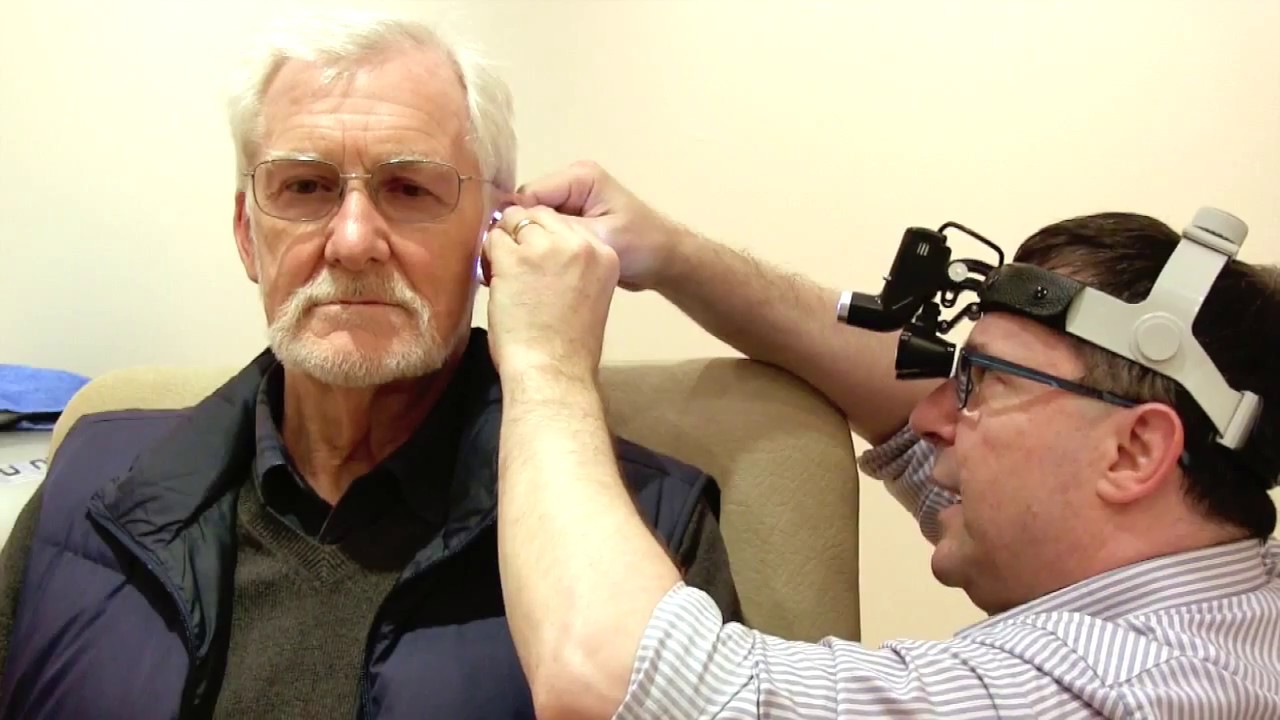
 Wax build-up can be discouraging and keep you from hearing at your finest trying to eliminate an ear wax blockage on your own in your home can make the circumstance even worse. The microsuction ear wax removal network offers ear wax removal services in hinckley in one of our centers– baker street hinckley nw1, pinner north west hinckley ha5, enfield north hinckley en1, edgware north hinckley nw7, east finchley north hinckley nw2, golders green north hinckley nw11, ealing west hinckley w5, barnet north hinckley en5.
  Book an ear cleaning hinckley appointment online. Book an ear clinic hinckley appointment online. Book an ear wax micro suction appointment online. Book an ear wax removal appointment online. Book an ear wax treatment appointment online. Book an east finchley ear wax removal appointment online. Book an evening ear wax micro suction appointment today. Book an impacted ear wax removal appointment online. Book microsuction it’s much better than syringing. New book an appointment. 0800 1 337 987 hertford microsuction earwax removal clinic.
  Book an ear clinic hinckley appointment online. Book an ear wax micro suction appointment online. Book an ear wax removal appointment online. Book an ear wax treatment appointment online. Book an east finchley ear wax removal appointment online. Book an evening ear wax micro suction appointment today. Book an impacted ear wax removal appointment online. 0800 1 337 987 microsuction earwax removal clinic in enfield.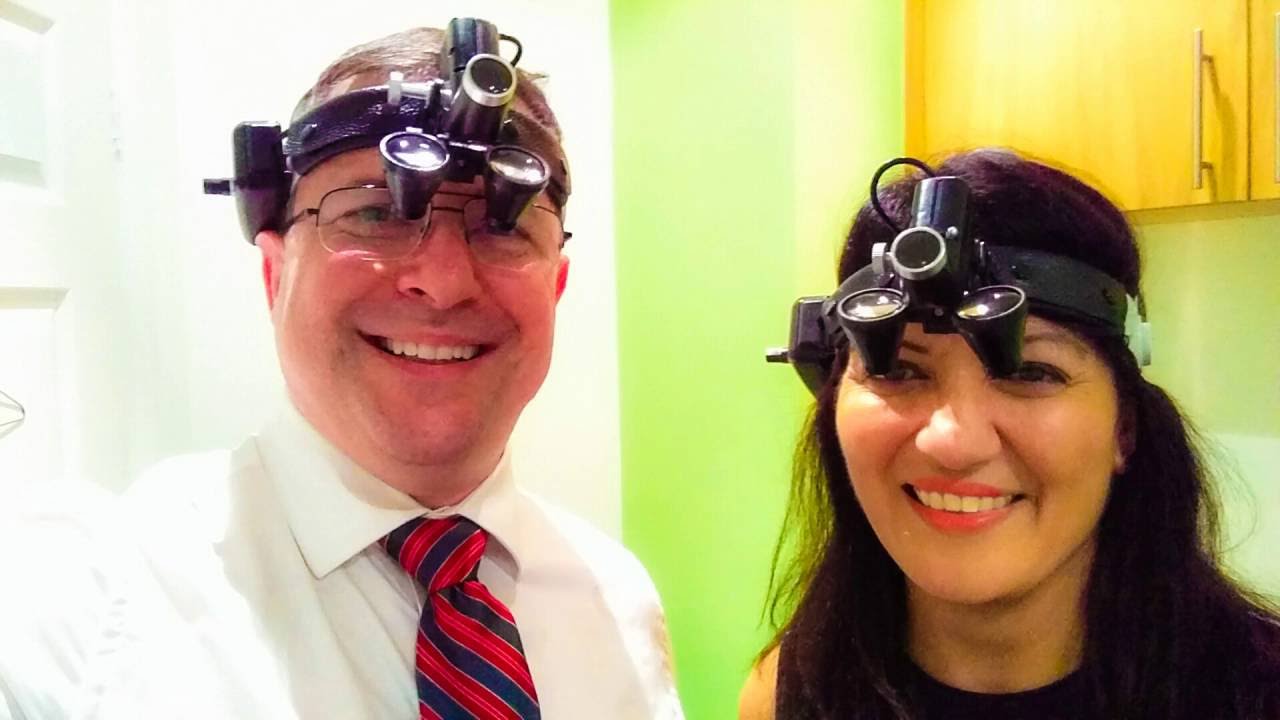
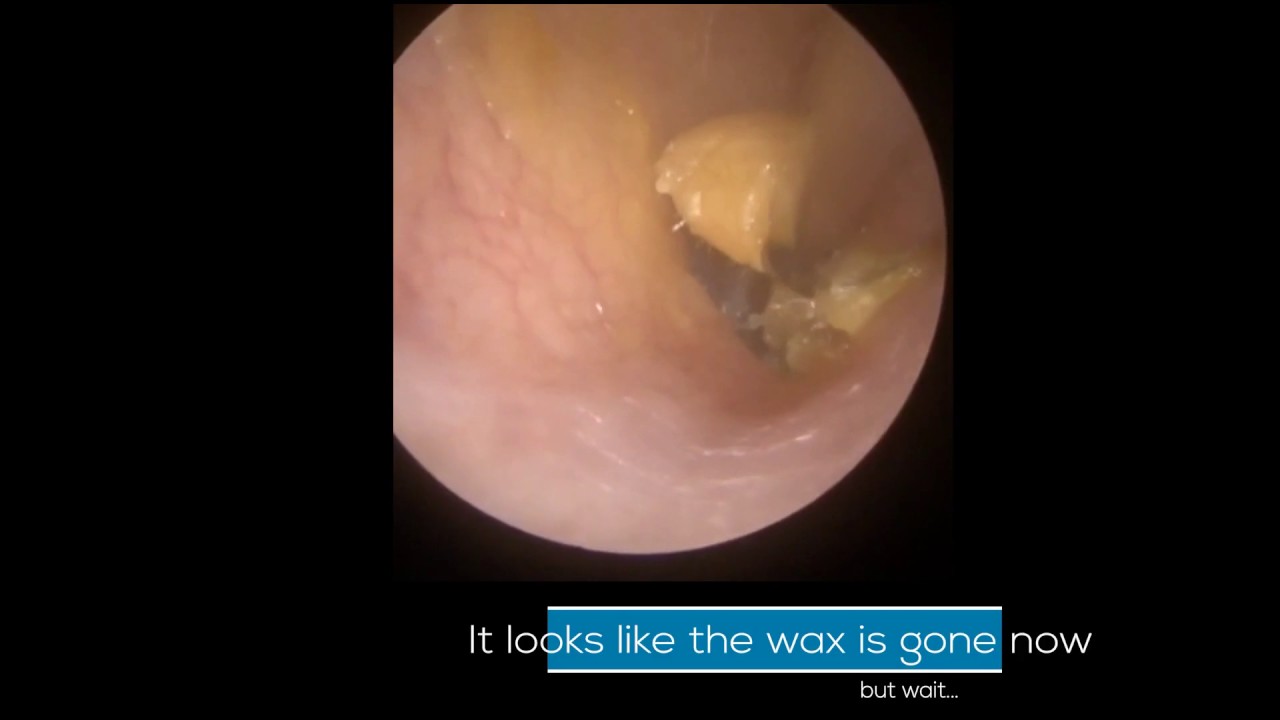
 The microscope is utilized to straight visualise the ear wax whilst it is being removed using ent micro-instruments (e. G. Gentle suction with a low-pressure suction maker and fine sterile probe (microsuction)). Although the ear has a natural system for the removal of wax it is recognised that particular people do experience problems with build-up of excess wax that may require additional assistance. Aspects such as narrow, hairy or obstructed ear canals, hearing aid or earplug usage, as well as dusty/dirty professions all add to an accumulation of earwax and utilizing cotton buds just serves to push the debris back in further, frequently impacting the wax while doing so.

 Wax build-up can be frustrating and keep you from hearing at your finest trying to eliminate an ear wax blockage by yourself in your house can make the circumstance even worse. The microsuction ear wax removal network offers ear wax removal services in hinckley in among our centers– baker street hinckley nw1, pinner north west hinckley ha5, enfield north hinckley en1, edgware north hinckley nw7, east finchley north hinckley nw2, golders green north hinckley nw11, ealing west hinckley w5, barnet north hinckley en5.
  Book a hertfordshire microsuction appointment online. Book a hinckley ear wax removal appointment online. Book a micro suction ear clinic appointment online. Book a microsuction ealing appointment online. Book a microsuction hinckley appointment online. Book a microsuction hinckley saturday appointment online. Book a microsuction north hinckley appointment online. Book a microsuction pinner appointment online. Book a microsuction volunteer in central hinckley appointment online. Book a microsuction volunteer in ealing appointment online. Book a private ear wax removal appointment online.


 The cost of a saturday earwax removal appointment will be ₤ 80 for one or two ears, which is still great value compared to other clinics in central hinckley. We decided to extend our microsuction earwax removal clinic to saturdays, as many people have enquired with us about weekend earwax removal appointments as they work monday to friday. This is because they are unable to go to an ear wax removal clinic throughout the week. The addition of a weekend ear wax removal clinic is a service that we are delighted to offer those who live or operate in hinckley.
  Wax accumulation can be frustrating and keep you from hearing at your finest attempting to eliminate an ear wax blockage by yourself in the house can make the scenario even worse. The microsuction ear wax removal network offers ear wax removal services in hinckley in among our centers– baker street hinckley nw1, pinner north west hinckley ha5, enfield north hinckley en1, edgware north hinckley nw7, east finchley north hinckley nw2, golders green north hinckley nw11, ealing west hinckley w5, barnet north hinckley en5.
  Had my earwax removed here. Would highly recommend, had a great experience and immediate relief of my symptoms afterwards. Lovely location and comfortable throughout. Would certainly return!. Renee smith. Jennifer the audiologist was very professional and made me feel at ease. She explained everything that would happen during the treatment and made the whole experience better than expected. She was a wonderful person and very caring. I would more than happy to recommend the service to anyone.
  When you clean your ears, you can unintentionally push the wax deeper, causing a blockage. Wax buildup is a common reason for momentary hearing loss. You must take great care when trying to treat earwax buildup at home. If the problem persists, visit your doctor. Treatment is generally fast and painless, and hearing can be fully brought back. Reasons for earwax buildup. Some people are prone to produce excessive earwax. Still, excess wax doesn’t automatically result in blockage.
  If you want to experience among the highest quality ear wax removal services available, you will find hearology’s hinckley bridge clinic on borough high street. The ear cleaning process we utilize is fast and painless. It is a few seconds walk from borough market and the hinckley bridge train and underground stations (use the borough high street exit). The location is likewise serviced by numerous bus paths. Contact us now for professional ear wax removal in hinckley!. Easy and convenient for anyone in central hinckley.
 When the ear wax is very tough, or if there is a foreign body in the ear canal, such as a cotton swab tip, or an ear plug which has actually become stuck, we might use instruments, which are specially developed for removing ear wax and other objects from the ear canal.
  Some clinics also offer home visits for an additional fee. There will be a video. Otoscopic evaluation before and after the procedure to show you the results.
  This can seriously damage the inside of the ear and the eardrum. Excellent “old-time” advice best abided by: never put anything in your ear smaller than your elbow!.
  The Microsuction Earwax Removal London clinic is in a very easily accessible location, and has been purpose built to provide a comfortable and modern environment for your ear wax removal procedure and audiology services. The london ear wax removal clinic offers you the opportunity to experience ear wax removal utilizing the most innovative microsuction equipment, in a fit-for-purpose clinical environment. This equipment consists of an ENT microscope to provide our clinicians with powerful illumination and crystal-clear, three-dimensional imaging. This enables the level of accuracy required to perform the safest, most effective, aural microsuction procedures.
  Private microsuction ear wax removal in central london. Central London: private microsuction ear wax removal in 30 locations. North London: microsuction earwax removal clinic in London. West London: private microsuction ear wax removal London. Book an east finchley ear wax removal appointment today!. Get a facebook ear wax removal appointment today!. Get a hertfordshire ear wax microsuction appointment today!. Get a london ear wax removal appointment today!. Get a micro suction ear clinic appointment today!.